Sheep
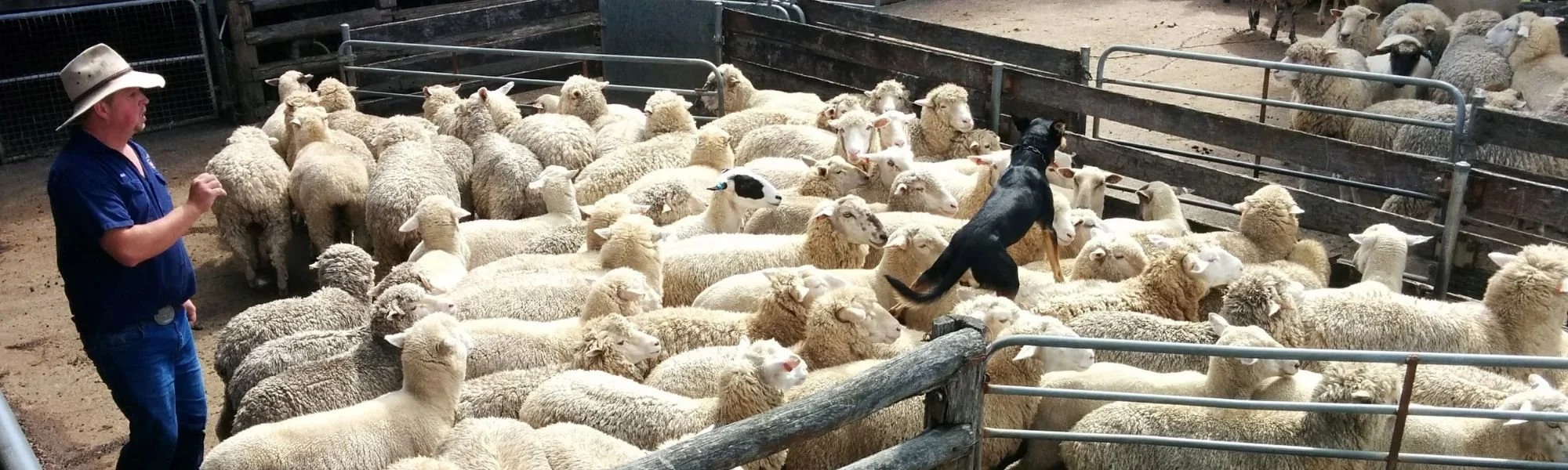
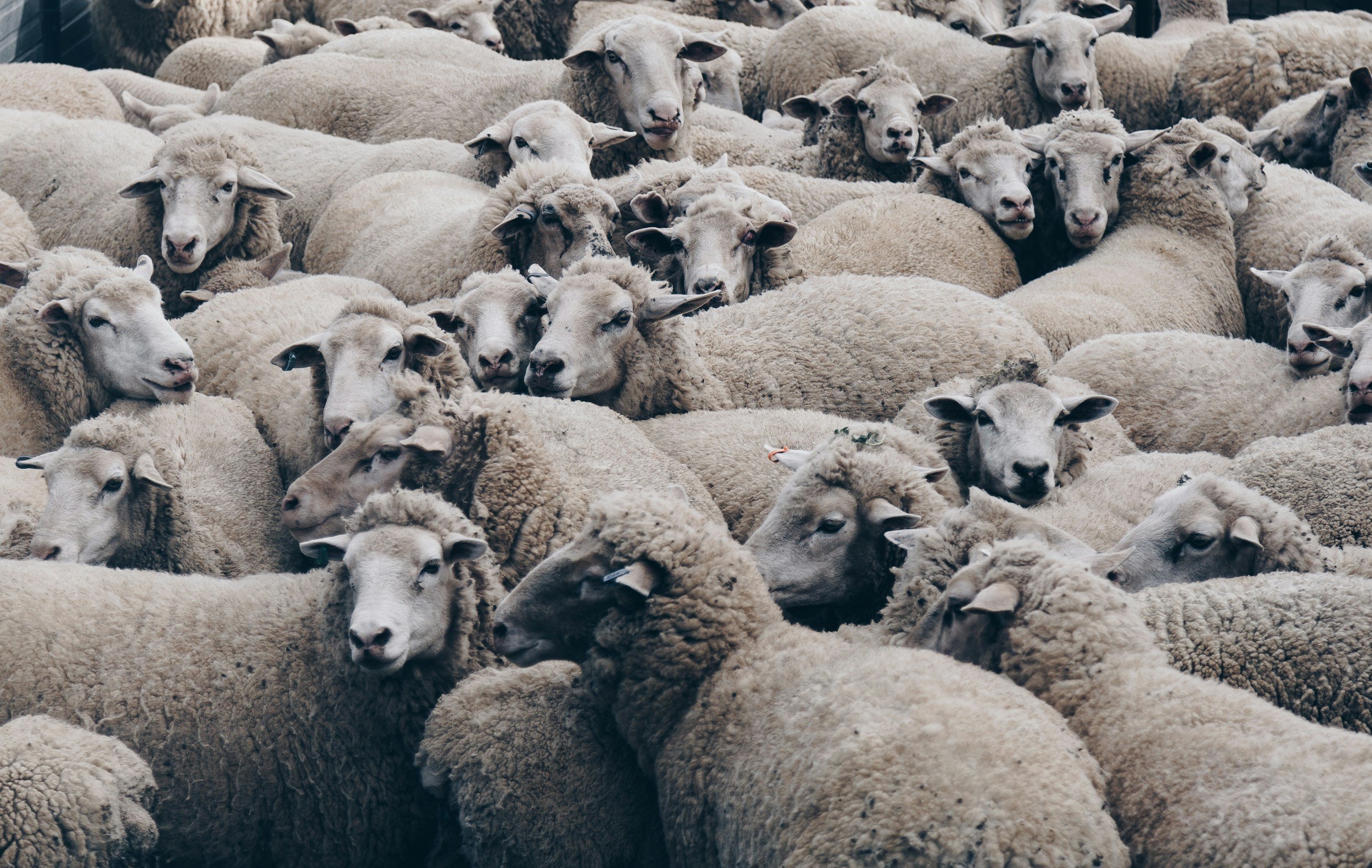
Sheep are gentle and affectionate animals, known for their sweet dispositions and caring nature within their flocks. Their quiet intelligence and careful, nurturing behavior make them truly amazing beings. Yet, the reality of factory farming for their meat and wool is harsh and exploitative—sheep are often subjected to stressful, rough handling and unnatural conditions that disregard their well-being and individuality. It is important to recognize their inherent value and treat them with the compassion and respect they deserve.
Tough Life from the Beginning
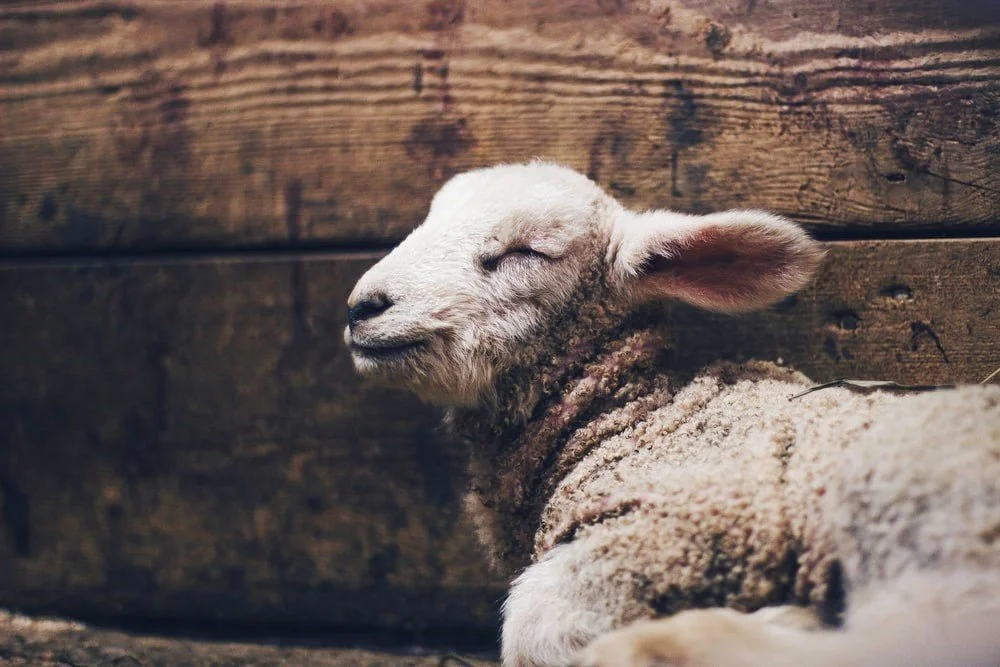
Lambs are subjected to painful mutilations like tail docking, where farmers cut off their tail or attach a tight rubber ring that causes the tail to rot and fall off. Winter lambing, the process of breeding sheep to give birth in the winter primarily to keep up with consumer demand, is a harmful farming practice that can lead to hypothermia , starvation, and disease being major threats, often stemming from inadequate ewe nutrition leading to poor colostrum, cold/wet/drafty conditions, and hygiene problems like navel infections
BRED FOR THEIR HAIR
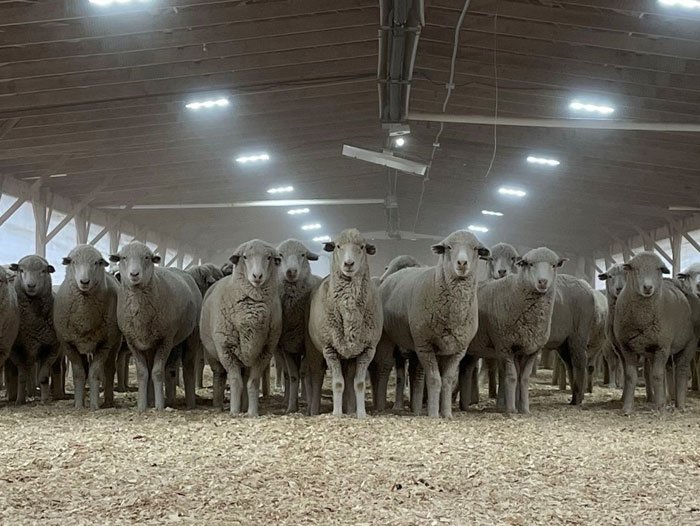
Sheep are selectively bred/genetically modified to grow as much wool as possible. Many times, too much wool, which can lead to overheating, mobility problems, and flystrike if not shorn regularly. Domestic wool sheep have a genetic mutation for wool that grows continuously, not in a coat that sheds like wild sheep.
Rough Handling
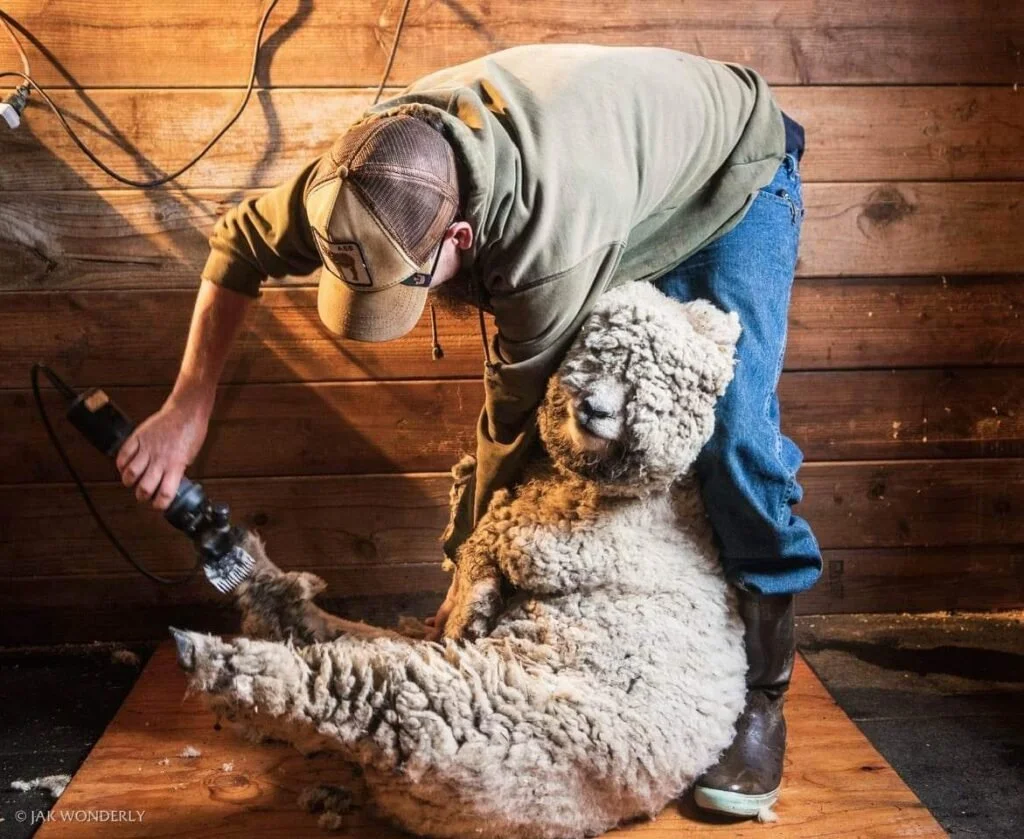
Sheep Shearers are paid by the amount of sheep shorn, not by the hour. This incentivizes speed, which often means rough handling for the sheep, many with cuts and lacerations from the shears.
Inevitable Ending
Much of the demand for sheep meat comes from lambs, however, when wool production dips and the sheep are no longer viable financially, they will be sent to the slaughterhouse as well. 2.1 Million sheep were slaughtered in 2023, 90% of those being lambs.